

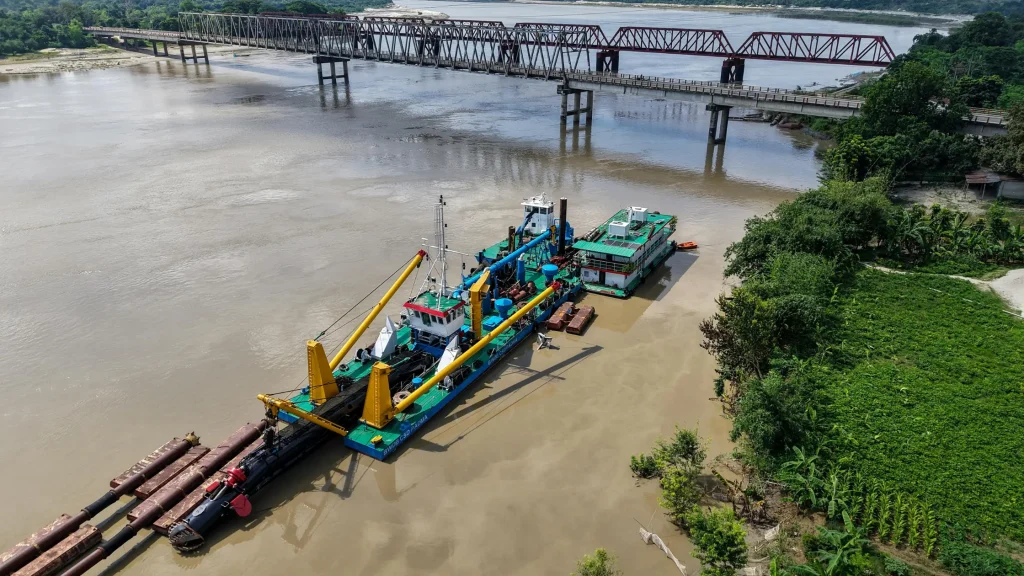
Dredging project costs vary when you see them online. If you are trying to figure out the average cost of dredging in Florida, you must know the truth! The dredging isn’t a one-price type of service. Every project is different, which is why estimates can swing so widely. Let’s find out why prices vary and the average cost based on a few factors!
What is Dredging?
Canal and lake dredging is the process of removing accumulated sediment from the bottom of a lake, pond, or canal to restore depth and improve water flow. Over time, sand, muck, and organic debris settle and make waterways shallow, muddy, or blocked.
Dredging clears out everything so that boats can move safely, shorelines stay stable, and the water stays healthy. It’s also used to prevent flooding, improve drainage, and keep residential and community waterways usable year-round.
Average Cost of Dredging in Florida
The following costs cover everything from small pond cleanouts to large neighborhood canal or marina dredging. Federal or major state navigation projects can look extremely different because they use their own pricing models and equipment. So, most private and local dredging projects in Florida cost in these ranges:
- $20–$100 per cubic yard for simple sand or silt removal
- $100–$300+ per cubic yard for tough jobs that deal with muck, rock, limited access, and special disposal.
Why Prices of Lake & Canal Dredging Vary?
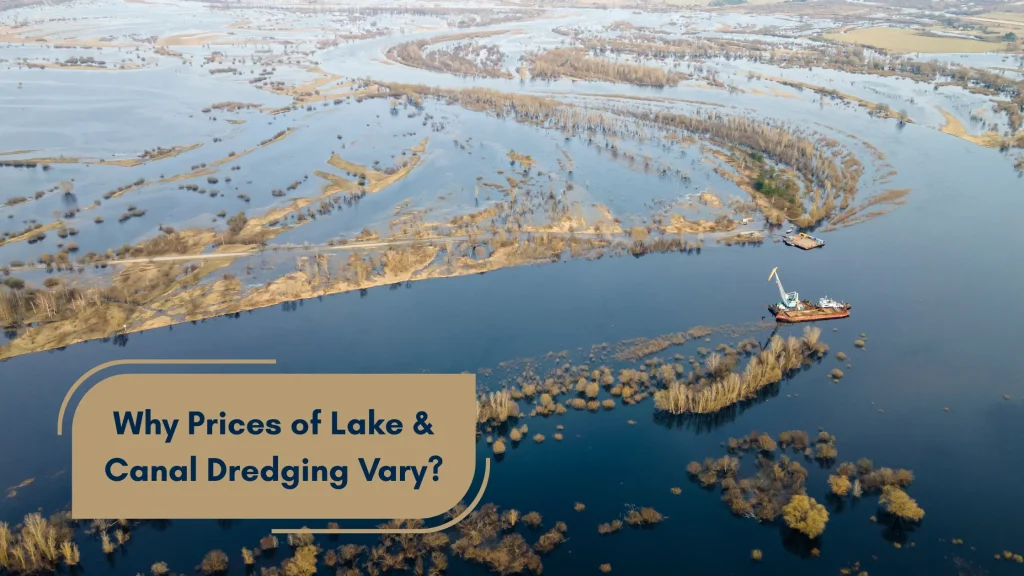
Dredging cost depends on what you remove, how easy the project is, and what you do with the waste. Have a look at the following factors:
Material Type
Removing clean sand is easy and cheap; however, when the contractor has to deal with thick muck, clay, or rock, the work slows down and requires strong equipment and special disposal rules. That extra effort costs more.
Project Size
The dredging project has fixed costs of bringing equipment, setting up the site, and handling logistics. On small projects, those fixed costs are divided across only a little material, so the price per cubic yard ends up higher.
Large projects spread the same setup costs over more volume, which usually lowers the unit price even though the total bill is high. Don’t forget to check the erosion control solutions.
Access to the Site
How easily the crew can reach the work area affects the price. If the equipment can move in directly, the job stays simple. But if the site is blocked by docks, shallow water, tight canals, or limited shoreline, the contractor may need barges, mats, or smaller specialized machines, which increases the overall cost.
Disposal of the Material
If you leave the material on-site, it is the cheap option as you are avoiding transport and dumping fees. If you must haul it off-site, trucking, fuel, and landfill or disposal charges quickly add up.
Clean sand can sometimes be reused for beach or fill projects, which lowers cost, but muck or contaminated material must go to approved disposal areas, which makes the project expensive.
Permits and Environmental Requirements
Dredging in Florida has strict environmental rules, which means permits, surveys, sediment testing, and sometimes ongoing monitoring.
Agencies like the Florida DEP and, in some cases, the Army Corps review the project to protect water quality and local habitats. These steps are important but add time, paperwork, and fees, which naturally increase the total cost.
Florida Dredging Costs by Project Type
These costs match what contractors commonly quote across the state.
Small Residential Lake or Pond
$30-$100 per cubic yard, and the total project may run from $5,000 to $30,000, depending on volume and access
Neighborhood Canal Dredging
$75-$150 per cubic yard is the cost, and it usually involves muck, barge access, and hauling material away. A full canal project can easily reach $300,000+
Marinas and Commercial Waterfronts
Expect $20-$200 per cubic yard. The lower end is for clean sand and the higher end for tight spaces, deep dredging, or complex disposal.
Large Government Navigation Projects
They follow their own pricing structure. Costs per yard may look extremely low or high based on contract type, not comparable to residential or HOA work.
Other Costs to Expect
Beyond dredging itself, here are a few more cost factors to consider:
Permits
Florida DEP permits range widely depending on:
- Project size
- Location (inland vs coastal)
- Required studies or environmental reviews
Expect anywhere from a few thousand to tens of thousands for all permitting and reporting.
Surveys and Testing
You may need:
- A bathymetric survey
- Sediment sampling
- Environmental assessments
This is usually a $1,000–$10,000 add-on depending on scope.
Disposal Fees
If you can’t place material on-site, you’ll pay:
- Trucking
- Fuel
- Dump site fees
These alone can add $10–$50 per cubic yard.
How to Get an Accurate Quote for a Dredging Project in Florida?
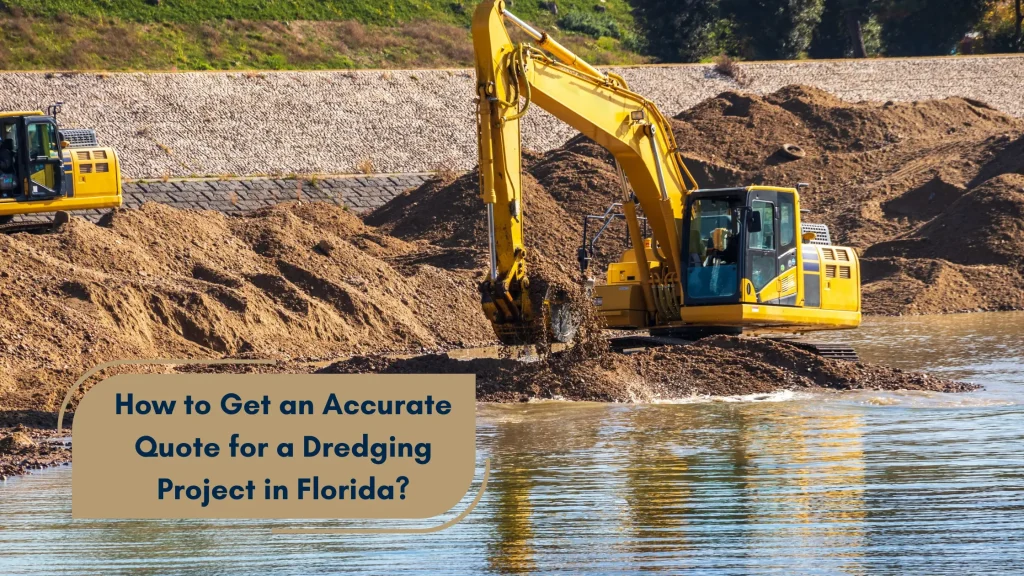
Suppose you are hiring B&Z Construction for a lake or canal dredging project. To get a realistic and accurate quote, follow these steps:
Measure the Volume
Ask the contractor to perform a bathymetric survey or depth mapping of your lake or canal. This will show how much material needs to be removed. Accurate volume measurements are the most important factor in avoiding surprise costs later.
Test the Sediment
Different sediments have different handling requirements, and one test can prevent surprise disposal costs. Ask the contractor to take samples and test them before quoting the project.
Decide on Disposal Options
Discuss where the dredged material will go. Options may include leaving it on-site, transporting it to upland disposal sites, and getting beneficial reuse, like beach nourishment or shoreline fill, which can sometimes reduce cost.
Ask for Line-Item Quotes
A detailed quote should break down:
- Mobilization and setup
- Cost per cubic yard of dredging
- Disposal and transport fees
- Permitting, testing, and environmental monitoring
This level of detail helps you compare contractors fairly and avoid hidden costs.
Review Past Projects
Ask the contractor if you need to review the past projects. This helps you understand whether their methods, equipment, and pricing are realistic for your site. By following these steps, you can get a clear, realistic quote and avoid unexpected expenses during your dredging project.
Final Words
Dredging a lake or canal in Florida is an investment, but understanding the factors makes it easy for you to plan and budget. Costs vary widely, so getting accurate surveys, sediment tests, and detailed quotes is essential. I hope you now understand everything!